
Can African Staples Be Our Mediterranean Diet? A Dietitian’s Deep Dive
Fanelesibonge Zondo, Registered Dietitian (South Africa)
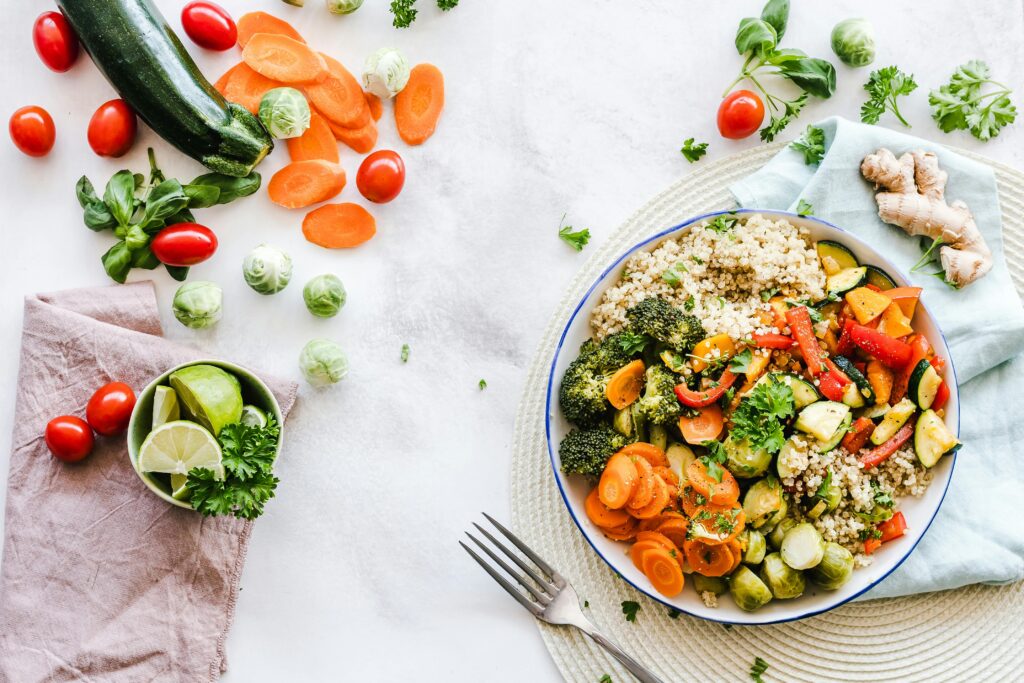
The Mediterranean Diet (Med Diet) is globally recognised as the gold standard for promoting heart health, longevity, and combating chronic disease. It’s rich in vegetables, legumes, whole grains, and healthy fats (such as olive oil), while limiting red meat.
But here in South Africa, our heritage is built on maize, beans, green leafy vegetables, and stews. Must we abandon umngqusho for chickpeas and morogo for rocket? Absolutely not.
The power of the Med Diet lies in its principles, not its specific ingredients. And the scientific truth is, our diverse African plate already contains the necessary components for a heart-healthy, anti-inflammatory lifestyle.
Why the Mediterranean Diet Works: The Technical Truth
The Med Diet’s immense health benefits—reducing hypertension, improving cholesterol, and lowering diabetes risk—come down to three core scientific pillars:
- High Dietary Fibre: Fibre, found in whole grains and legumes, acts like a sponge, binding to cholesterol in the gut and slowing glucose absorption.
- Anti-inflammatory Agents: The diet is rich in polyphenols (powerful antioxidants) from colourful vegetables and monounsaturated fats (such as oleic acid), which directly combat chronic, low-grade inflammation.
- Omega-3 Fatty Acids ($\omega-3$): Found in oily fish, these are key regulators of heart rhythm and blood pressure. They are vital for cellular membrane health.
The good news is that we can achieve this same scientific matrix using our local ingredients!
African Staples: Our Med Diet Superstars
We can create a powerful “South African Med-Style Diet” by leaning into the traditional wisdom of our food culture:
| Med Diet Component | SA Food Equivalent | Scientific Benefit |
| Legumes & Pulses | Imbobo (Cowpeas), Sugar Beans, Groundnuts (Peanuts) | Excellent source of Dietary Fibre and plant-based Protein; supports gut health and blood sugar control. |
| Green Leafy Vegetables | Morogo (Wild Spinach), Mfino, Pumpkin Leaves | Packed with Antioxidants and micronutrients like iron and calcium. |
| Whole Grains & Starches | Umngqusho (Samp and Beans), Amabele (Whole Sorghum) | Provides complex carbohydrates and essential fibre for sustained energy. |
| Healthy Fats & Flavour | Spices (Turmeric, Ginger, Garlic), Avocados, Oily Fish (Pilchards, Mackerel) | Turmeric is a potent source of Curcumin (an anti-inflammatory); pilchards are an affordable source of Omega-3s. |
The Technical Challenge & The Solution
The traditional Med diet is characterised by its low consumption of red meat and saturated animal fats. Our challenge in translating the Med principles comes from modern cooking practices and high consumption of certain local favourites:
| Probable Problem | Scientific Issue | Nutr-ed Solution |
| High Animal Fat Use (e.g., Skaapsterte, adding large amounts of fat to pap) | High intake of Saturated Fats can raise LDL (“bad”) cholesterol and increase cardiovascular risk. | The 80/20 Rule: Keep red meat portions small (palm-sized). Trim all visible fat from the braai meat. Focus on lean cuts, such as venison or ostrich. |
| Excess Oil in Stews & Curries (especially using vegetable oils high in omega-6) | Excessive heated oil compromises its integrity and increases the total caloric load without providing sufficient beneficial omega-3 fats. | High Sodium Content (in spice mixes, stock cubes, and atchar) |
| High Sodium Content (in spice mixes, stock cubes, atchar) | Contributes directly to Hypertension (high blood pressure). | Flavour with Spices, Not Salt: Use fresh chillies, garlic, ginger, and traditional Indian spices (like cardamom and coriander) to naturally boost flavour, reducing reliance on salty stock cubes and seasonings. |
Conclusion:
Embrace Your Heritage, Optimise Your Health. You don’t need expensive olive oil from Greece to gain the scientific benefits of the Med Diet. By embracing the diversity of our local legumes, green leaves, and spices, and adopting mindful cooking techniques, you can create a powerful, evidence-based South African Med-Style Diet that supports your health, heart, and heritage.
Ready to master your blood pressure or cholesterol using the food you already love? I am running an offer for a high-value, cash or medical aid, 1:1 virtual or in-person session starting at R320, where we translate your blood results into your personal ‘SA Med-Style’ plan. Click the link in the bio to secure your slot!
#Nutred #AfricanCuisine #MediterraneanDiet #EvidenceBasedNutrition #DietaryFibre #SouthAfricanFood #HPCSA